Darknet Markets 2026:
The dark web is part of the deep web but is built on darknets: overlay networks that sit on the internet but which can't be accessed without special tools or software like Tor. Tor is an anonymizing software tool that stands for The Onion Router — you can use the Tor network via Tor Browser.
| Darknet Market | Established | Total Listings | Link |
|---|---|---|---|
| TorZon Market | 2022 | 140+ | Onion Link |
| Nexus Market | 2024 | 600+ | Onion Link |
| Abacus Market | 2022 | 100+ | Onion Link |
| Ares | 2026 | 100+ | Onion Link |
| Cocorico | 2023 | 110+ | Onion Link |
Updated 2026-10-27
How Darknet Markets Build Trust for Private Shopping
Darknet marketplaces function as specialized e-commerce platforms where anonymity is the foundational principle. This is achieved through the integration of cryptocurrencies like Bitcoin and Monero with network-level obfuscation tools such as Tor. Cryptocurrencies enable private financial transactions by operating on decentralized ledgers, severing the direct link between a user's identity and their purchase history. This financial privacy complements the network anonymity provided by onion routing, which encrypts and redirects traffic through multiple volunteer relays, effectively concealing a user's location and IP address. The combination creates a robust environment for discreet commerce, allowing buyers and sellers to interact without exposing personal identifiers.
The ecosystem addresses the inherent challenges of anonymous trade through structured trust mechanisms. A central system is the vendor rating system, where buyers publicly review their purchases based on product quality, shipping speed, and communication. These cumulative reviews create a transparent reputation for each seller, incentivizing high standards and reliable service. This user-generated feedback loop acts as a powerful form of quality control, guiding consumers toward reputable vendors and effectively curating the available product selection. High-rated vendors are financially motivated to maintain their standing, which directly influences their sales volume and profitability.
Transaction security is further reinforced by escrow services managed by the marketplace. Funds from a buyer are held in escrow until the product is delivered and confirmed, only then being released to the seller. This system protects both parties: buyers are assured they will not lose money for undelivered goods, and vendors are protected from fraudulent chargebacks common in traditional e-commerce. The escrow model reduces the risk of scams and builds a foundation for secure deals, making the marketplace more reliable for regular commerce.
These platforms operate on a free market model, where supply directly responds to consumer demand. This results in a wide product variety and notable consistency in quality, as vendors compete for positive ratings. The market's self-regulating nature, driven by cryptographic anonymity, financial privacy, and crowd-sourced reputation, facilitates efficient and secure transactions. The structure demonstrates how decentralized systems can organize commerce, using technology to build trust and ensure transactional integrity in an otherwise anonymous environment.
How Cryptocurrencies Enable Secure Darknet Commerce
The operational foundation of darknet marketplaces is built upon the integration of anonymous cryptocurrencies and sophisticated vendor rating systems. These elements work in tandem to create a secure, trust-based environment for private transactions, directly addressing the core demands of the free market for discretion and reliability.
Cryptocurrencies like Monero (XMR) and, to a lesser extent, Bitcoin (BTC), facilitate private transactions by severing the direct link between financial activity and real-world identity. Transactions are recorded on a public ledger, but the parties involved are represented by cryptographic addresses, not personal names. This financial privacy is further enhanced by the market's use of encryption and onion routing via the Tor network, which obfuscates a user's IP address and communication. The combination creates a robust layer of anonymity for both buyers and sellers.
Trust, a critical component for any commerce, is established through transparent vendor rating systems. After each completed transaction, buyers can leave detailed feedback on product quality, shipping speed, and communication. This generates a public reputation score for each vendor. High-rated vendors are incentivized to maintain quality control and reliable service to preserve their standing, which directly influences their sales. This system effectively crowdsources accountability.
To further secure transactions, most marketplaces employ escrow services. When an order is placed, the buyer's cryptocurrency is held in escrow by the marketplace. The funds are only released to the vendor after the buyer confirms satisfactory receipt of the product. This mechanism protects buyers from fraud and ensures vendors get paid for delivered goods, reducing the risk for both parties.
The result is a self-regulating ecosystem that efficiently meets consumer demand. The product variety is vast, and the transparent feedback loop ensures that market forces naturally promote vendors who consistently deliver quality, while poorly performing vendors are marginalized by their low ratings. The entire process, from browsing to finalizing a deal, is designed around the principles of anonymous, secure, and trust-based e-commerce.
How Feedback and Escrow Make Darknet Markets Work
The foundation of a functional darknet marketplace is trust, which is established through transparent vendor rating systems. These systems operate similarly to those on mainstream e-commerce platforms, where past buyers leave detailed feedback on their transactions. This feedback typically includes ratings for product quality, shipping speed, stealth of packaging, and communication. A vendor with hundreds of positive reviews and a high score, often displayed next to their name, is statistically more reliable than a new seller with no history.
The integration with anonymous cryptocurrency payments completes this trust model. Payments are held in a secure escrow service managed by the marketplace until the buyer confirms receipt and satisfaction with the product. This mechanism protects the buyer from fraud, as funds are only released after a successful transaction. The seller is also protected from false claims of non-delivery. The entire process is secured by encryption and onion routing, ensuring that financial and personal identities remain separate from the transaction data.
This combination creates a self-regulating ecosystem. Vendors are incentivized to provide high-quality products and professional service to maintain their reputation, which directly affects future sales. Buyers can make informed decisions based on collective experience, reducing risk. The result is a free market that efficiently meets consumer demand for a wide variety of goods, with quality control being enforced organically by the user community through the feedback mechanism.
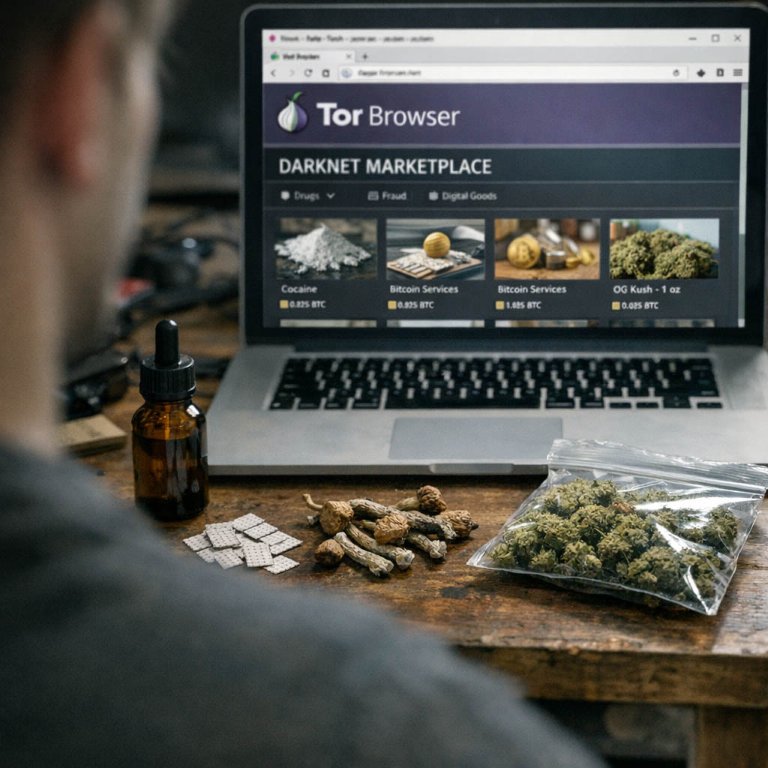
How Escrow Makes Buying on the Darknet Safe and Easy
Escrow services are a fundamental component of secure transactions on darknet marketplaces. They function as a neutral third party, holding a buyer's cryptocurrency payment until the ordered goods are received and confirmed. This mechanism directly addresses the inherent trust deficit in anonymous commerce. The funds are only released to the vendor after the buyer finalizes the order, which typically occurs after a preset auto-finalize timer expires unless a dispute is opened. This system protects buyers from vendors who might not ship products and protects vendors from fraudulent chargebacks, a common issue in traditional e-commerce.
The effectiveness of escrow is amplified by its integration with anonymous cryptocurrencies like Monero or Bitcoin. These currencies enable the financial layer of the transaction to be as private as the communication layer, ensuring that the held funds cannot be easily traced back to the individuals involved. The escrow service itself, operated by the marketplace, has no need for real-world identities, aligning perfectly with the ecosystem's privacy principles.
This financial security is further reinforced by vendor rating systems. A vendor's historical performance, documented through consistent positive feedback, becomes a critical metric for buyer decision-making. High ratings and detailed reviews act as a crowdsourced quality control, signaling reliability and product consistency. Buyers can assess a vendor's reputation based on:
- Percentage of positive feedback
- Number of completed transactions
- Specific comments about product purity, shipping speed, and stealth
Therefore, the combination of escrow and vendor ratings creates a self-regulating market environment. Escrow mitigates the financial risk of a single transaction, while the rating system incentivizes vendors to maintain high standards over the long term to build their reputation. This dual structure efficiently meets consumer demand for quality products in a free market model, where success is directly tied to demonstrated reliability and customer satisfaction. The entire process, from browsing to finalizing, is shielded by encryption and onion routing, which protects the identities of all parties while these trust and verification mechanisms facilitate commerce.
How Darknet Markets Meet Customer Needs
Darknet marketplaces operate on a free market model where supply directly responds to consumer demand. This model functions efficiently due to integrated systems for anonymous transactions and community-driven trust. The primary medium of exchange is cryptocurrency, with Bitcoin and Monero being the most common. These currencies enable private financial transactions because they are decentralized and, especially with coins like Monero, provide strong transactional privacy through obfuscation techniques. This financial layer allows buyers and sellers to interact without linking their real-world identities to their economic activity on the platform.
The establishment of trust in an anonymous environment is critical. Marketplaces achieve this through a transparent vendor rating system. After each completed transaction, buyers can leave detailed feedback on the product's quality, the shipping speed, and the vendor's communication. This creates a persistent reputation score for each seller. High-rated vendors are prominently featured, which incentivizes reliable service and high-quality products. This system effectively outsources quality control to the user base, creating a self-regulating marketplace where poor-quality goods or scams are quickly identified and marginalized by negative reviews.
To further secure transactions, most platforms employ escrow services. When a purchase is made, the buyer's cryptocurrency is held in escrow by the marketplace until the product is received and confirmed. Only then is the funds released to the vendor. This mechanism protects buyers from vendors who might not ship products and protects vendors from fraudulent chargebacks, a common issue in traditional e-commerce. The entire interaction is protected by encryption and onion routing (via the Tor network), which anonymizes the user's connection and makes it extremely difficult to trace their activity back to a physical location or identity.
The result is a robust commercial ecosystem. The combination of cryptocurrency, reputation systems, and escrow directly addresses the core requirements for secure trade in a trustless environment. This framework supports a wide product variety, as vendors are motivated by market demand and profit, while the rating system ensures that product quality remains a key competitive differentiator. Consumer demand is thus met through a decentralized, self-policing model that prioritizes transactional security and product reliability.

How Darknet Markets Offer Variety and Reliable Quality
The operational model of darknet marketplaces directly facilitates an exceptional range of products and a practical system for quality assurance. These platforms function on a free market principle, where consumer demand dictates supply. This results in a vast catalog of goods, often surpassing the variety found in localized physical illicit markets. Vendors compete not only on price but on the reliability and purity of their products, which is a critical differentiator in an anonymous environment.
Quality control is managed collectively by the user base through the vendor rating system. After each transaction, buyers leave detailed feedback and assign a score, creating a transparent reputation history. This system makes vendor performance publicly accountable. A vendor with consistently high ratings for product quality and accurate delivery establishes a trusted brand, while poor reviews quickly marginalize unreliable sellers. The escrow service supports this by holding cryptocurrency payments until the buyer confirms satisfactory receipt of the order, preventing scams and incentivizing vendors to maintain high standards.
The combination of these features creates a self-regulating ecosystem. The need for positive reviews to sustain a profitable vendor business encourages the provision of high-quality products and professional service. Consequently, consumers benefit from a competitive market with clear information on product quality, enabling informed purchasing decisions based on peer-reviewed evidence rather than uncertain claims.
How Encryption and Anonymity Make Drug Trade Safe and Reliable
The operational security of darknet marketplaces is fundamentally built upon a dual-layer system of cryptographic encryption and onion routing. This technical infrastructure directly enables the anonymous e-commerce model by severing the link between a user's physical identity and their marketplace activity. All communications, from browsing product listings to finalizing a transaction, are wrapped in multiple layers of encryption. This process, analogous to placing a letter inside a series of locked boxes, ensures that even if network traffic is intercepted, the content and endpoints of the communication remain concealed.
The Tor network implements onion routing by randomly directing this encrypted data through a volunteer-run relay network. Each relay only knows the immediate previous and next hop, making it virtually impossible to trace the complete path. This provides users with the anonymity necessary to access these platforms without revealing their location or identity. This protected environment is a prerequisite for the marketplace's economic functions. It allows for the use of cryptocurrencies like Bitcoin or Monero for private transactions, as the financial activity is disconnected from personally identifiable banking information.
Within this secured space, trust is established not by legal names or addresses, but by decentralized reputation systems. The vendor rating system acts as a continuous audit mechanism, where past buyer feedback on product quality, shipping speed, and communication creates a transparent performance record. This builds trust between anonymous parties. The escrow service further secures deals by holding the buyer's cryptocurrency in deposit until the product is received and confirmed, reducing the risk of fraud for both sides.
This combination of enforced anonymity and organic reputation management efficiently meets consumer demand in a free market model. The resulting competition among vendors, visible through their public ratings, drives product variety and user-noted quality control. Sellers with consistently high ratings have a strong incentive to maintain the purity and accurate weight of their products, as negative feedback directly impacts future sales. The entire ecosystem, from browsing to delivery, is facilitated by the initial cryptographic protections that keep all participants' identities separate from their commercial roles.