Darknet Markets 2026:
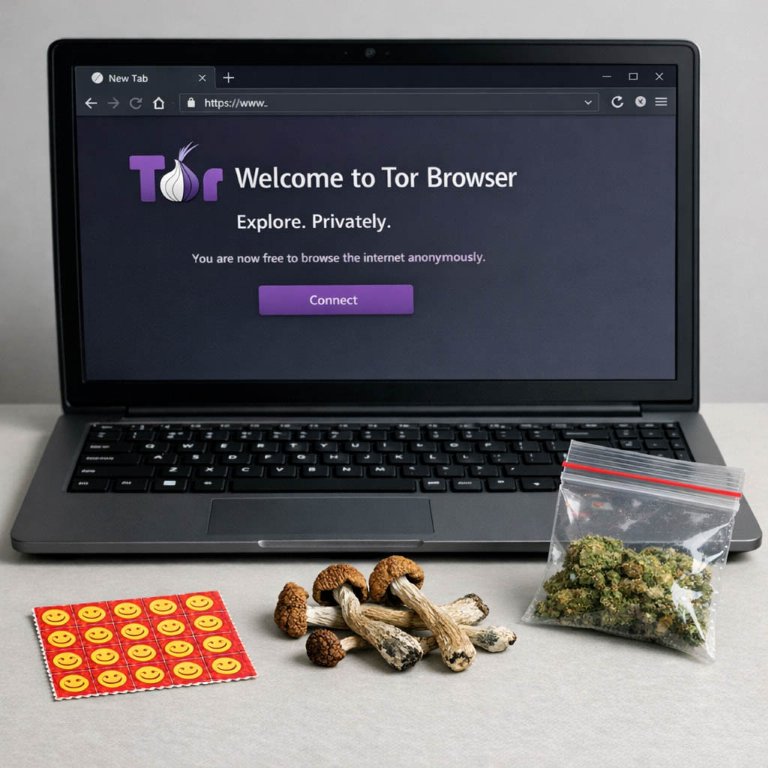
The dark web is part of the deep web but is built on darknets: overlay networks that sit on the internet but which can't be accessed without special tools or software like Tor. Tor is an anonymizing software tool that stands for The Onion Router — you can use the Tor network via Tor Browser.
| Darknet Market | Established | Total Listings | Link |
|---|---|---|---|
| TorZon Market | 2022 | 140+ | Onion Link |
| Nexus Market | 2024 | 600+ | Onion Link |
| Abacus Market | 2022 | 100+ | Onion Link |
| Ares | 2026 | 100+ | Onion Link |
| Cocorico | 2023 | 110+ | Onion Link |
Updated 2026-10-27
How Darknet Markets Work for Private Shopping
Darknet markets operate on the principle of providing a secure and private environment for commerce, leveraging the Tor network to host sites as onion services. This architecture ensures that both the location of the marketplace and the identity of its users remain concealed by routing traffic through multiple encrypted layers. The primary appeal lies in the transactional privacy afforded to participants, enabling a free exchange of goods without the oversight inherent in conventional online retail or financial systems.
The shopping experience is designed around anonymity and trust. Buyers and sellers connect directly, reducing intermediaries. Payments are conducted using cryptocurrencies like Bitcoin or Monero, which provide a simple and private payment method by obscuring transactional details on a public ledger. This financial privacy is a cornerstone, allowing for discreet transactions.
To mitigate the inherent risks of anonymous trade, these platforms employ escrow services. Funds from a purchase are held by the market's system until the buyer confirms satisfactory receipt of the goods. This mechanism protects the buyer from fraudulent sellers who might not deliver. Simultaneously, it protects honest sellers by ensuring payment is secured before release, fostering a trusted trading environment.
Reputation is managed through transparent user feedback and rating systems. Each transaction can be rated, building a verifiable history for sellers and buyers. This creates a self-regulating ecosystem where consistently reliable vendors rise in prominence, and poor performance is publicly documented, guiding users toward safer purchasing decisions. The combination of cryptographic anonymity for privacy and structured systems for trust facilitates efficient modern trade for a variety of goods.
How Anonymity Makes Drug Trade Safe and Easy on the Darknet
Anonymity is the foundational principle of private online commerce on darknet markets. It enables a secure environment for transactions that require discretion. This is achieved through a combination of technological infrastructure and operational protocols designed to protect all parties.
The Tor network provides the initial layer by routing connections through multiple encrypted nodes, obscuring a user's location and identity. Upon accessing a market, participants use pseudonyms, further separating their real-world identity from their market activity. The financial layer relies on cryptocurrencies like Bitcoin or Monero. These currencies facilitate direct, peer-to-peer payments without involving traditional financial institutions, which typically require personal identification.
This ecosystem supports a free market for various goods, including recreational substances, by prioritizing privacy and security. The direct connection between buyer and seller, mediated by the platform, removes unnecessary intermediaries. To build trust within this anonymous framework, markets implement two critical systems:
- Escrow services hold a buyer's cryptocurrency payment until the goods are received and confirmed. This mechanism protects the buyer from fraud and guarantees the seller will be paid upon successful delivery.
- Reputation systems allow users to rate transactions and leave detailed feedback. Over time, sellers accumulate a verifiable history, creating a self-regulating community where reliable vendors thrive and dishonest ones are marginalized.
The result is an efficient platform for modern trade that values transactional privacy. Anonymity does not equate to lawlessness; it establishes a framework for consensual trade governed by community feedback and cryptographic security, making commerce possible for individuals who prioritize privacy in their transactions.
Direct Deals in the Darknet
The architecture of darknet markets facilitates a direct peer-to-peer connection between consumer and vendor, eliminating traditional intermediaries. This model is built upon a foundation of cryptographic anonymity and automated trust mechanisms. Users access the platform via specialized software that anonymizes their connection, then browse listings which function like those on any e-commerce site.
Communication occurs through encrypted internal messaging systems. This allows for the discreet negotiation of order specifics without exposing the identities or contact details of either party. The process is streamlined and secure:
- A buyer selects a product and places an order.
- Cryptocurrency is sent to a multisignature escrow account controlled by the market's smart contract system.
- The seller is notified and ships the product.
- Upon delivery confirmation, the funds are released from escrow to the seller.
This escrow model is critical, as it protects the buyer from fraud and guarantees the seller payment upon fulfillment. The entire interaction is underpinned by public reputation systems, where detailed feedback and transaction history for each vendor provide a transparent metric of reliability. This combination of direct communication, secured payments, and community-enforced accountability creates an efficient and resilient environment for private commerce.
Private Crypto Payments for Darnet Shopping
The transactional model of darknet markets is fundamentally built upon the integration of cryptocurrency, primarily Bitcoin and Monero. These digital currencies provide a necessary layer of financial privacy that traditional payment systems cannot offer. Unlike bank transfers or credit cards, cryptocurrency transactions do not inherently link to real-world identities, allowing both buyers and sellers to engage in commerce with reduced personal risk.
The process is streamlined for user convenience. A buyer simply acquires cryptocurrency from an exchange, transfers it to their private wallet, and then sends the exact amount to the market's provided address. This direct peer-to-peer mechanism eliminates intermediaries, reducing fees and transfer times. The privacy aspect is enhanced by the use of tumbling services or privacy-focused coins like Monero, which obfuscate the transaction trail, making financial activity difficult to trace.
This system directly enables the core function of these platforms: anonymous payment. It allows for the secure and efficient transfer of value globally, without geographic restrictions or the need for personal banking details. The integration with escrow services is seamless. Funds are held in the market's escrow system until the buyer confirms satisfactory receipt of the goods, at which point the cryptocurrency is automatically released to the seller.
The combination creates a secure environment for trade:
- Cryptocurrency ensures private and borderless payment.
- Escrow protects against fraud by securing funds until terms are met.
- User reputation systems, built upon successful completed transactions, further reinforce trust within the marketplace.
How Escrow Makes Darnet Drug Trade Safe for Buyers and Sellers
Escrow services are a fundamental component of darknet markets, establishing a framework of trust and security for transactions that would otherwise carry significant risk. They function as a neutral third party that holds the buyer's cryptocurrency payment securely after an order is placed. The funds are only released to the seller once the buyer confirms satisfactory receipt of the goods. This mechanism directly addresses the inherent challenges of anonymous commerce.
The process protects the buyer by ensuring they do not pay for items that are never shipped or are of substandard quality. For the seller, it guarantees that payment is secured and cannot be unilaterally reversed after the product is dispatched, a common issue in traditional anonymous sales. The escrow system transforms a potentially risky direct exchange into a three-step, verifiable process.
On modern platforms, escrow is often integrated with the user feedback and rating system. A seller with a history of successful escrow releases builds a positive reputation, which in turn facilitates faster future sales. Disputes are managed through market moderators who review communication and evidence before adjudicating the release of escrow funds. This creates a self-regulating economic environment where cooperation and fair dealing are incentivized, as both parties have a vested interest in the successful completion of the escrow cycle.

How Feedback Builds Trust in Darknet Commerce
The operational integrity of darknet markets is fundamentally dependent on user feedback and reputation systems. These mechanisms create a self-regulating environment where trust is quantifiable. A vendor's history of successful transactions, detailed in customer reviews, directly influences their ability to attract future business. This system mirrors the accountability found in conventional e-commerce but is adapted for an anonymous ecosystem.
Buyers rely on this aggregated data to make informed decisions, assessing a seller's reliability based on:
- Consistent product quality as described in listings
- Prompt and discreet shipping practices
- Clear and professional communication
This transparent record of past performance reduces uncertainty for new users. The reputation score acts as a powerful economic incentive for vendors to maintain high standards, as a single sustained negative trend can severely impact their revenue. This feedback loop ensures that the most reliable sellers rise to prominence, fostering a stable marketplace where private commerce can occur with reduced risk of fraud.
Tools for Safe and Private Commerce on the Darknet
Accessing a darknet market requires specialized software designed to provide anonymity. The primary tool is the Tor Browser, which is a modified version of Firefox. It routes a user's internet connection through several volunteer-operated servers worldwide, known as a circuit, which obscures the original IP address and makes traffic extremely difficult to trace. This layered encryption is fundamental for accessing .onion domains, which are the unique, cryptographically generated addresses of these markets and are only reachable through the Tor network.
For enhanced privacy, users typically combine Tor with a Virtual Private Network (VPN). This setup adds an extra layer of obfuscation by encrypting all device traffic before it even enters the Tor network, providing additional security against potential surveillance at the internet service provider level. Furthermore, a secure operating system like Tails is often recommended. Tails is a live system that runs from a USB stick, leaves no digital footprint on the host computer, and forces all connections through Tor.
The required software stack is straightforward:
- Tor Browser for accessing .onion sites.
- A reputable VPN service for an additional encryption layer.
- An operating system like Tails for amnesic, hardware-independent sessions.

How Layered Encryption Protects Your Privacy on the Darknet
The privacy of connections to darknet markets is fundamentally ensured by layered encryption, a principle embodied by the Tor network. This system operates by routing a user's internet traffic through a series of volunteer-operated servers called relays. Each relay in this circuit decrypts only a single layer of encryption to reveal the next relay in the path, analogous to peeling an onion.
This process means no single relay knows both the user's original IP address and the final destination, such as the market's .onion address. The entry relay sees the user's IP but not the site they are visiting, while the exit relay sees the market's traffic but cannot trace it back to the original user. This multi-hop architecture effectively severs the direct link between the buyer and the marketplace, creating a robust barrier against surveillance and traffic analysis.
The encryption used is standard and strong, identical to that which secures online banking and messaging applications. When combined with the market's own end-to-end encrypted messaging for order details and the inherent privacy of cryptocurrency transactions, the entire shopping process is compartmentalized. Each layer protects a different aspect of the transaction: Tor anonymizes the connection, market encryption secures the content, and cryptocurrency obscures the financial trail. This integrated approach provides a secure environment for private commerce where all parties can interact with significantly reduced risk of exposure.
How Darknet Markets Make Drug Trade Efficient and Secure
The operational model of darknet markets represents a significant evolution in private commerce, streamlining transactions that prioritize anonymity and security. By integrating cryptocurrency payments and mandatory escrow services, these platforms create a self-regulating ecosystem that efficiently mitigates traditional risks of online trade.
Transactions are conducted directly between buyer and seller, eliminating intermediaries and reducing costs. The use of cryptocurrencies like Bitcoin or Monero provides a simple and private payment method, finalizing transfers without linking financial identities to the purchase. This financial privacy is a cornerstone of the system's efficiency.
Escrow services are automated and integral, holding the buyer's cryptocurrency until the product is received and confirmed. This mechanism protects both parties: the seller is assured of payment, and the buyer is shielded from fraud. Disputes are often resolved by neutral moderators, adding a layer of institutional trust to a decentralized environment.
The efficiency is further enhanced by robust user feedback and reputation systems. Sellers build their business on transparent review histories, which buyers rely on to make informed choices. This creates a competitive marketplace where quality and reliability are directly rewarded, fostering a stable and efficient trading environment for all participants.