Darknet Markets 2026:
The dark web is part of the deep web but is built on darknets: overlay networks that sit on the internet but which can't be accessed without special tools or software like Tor. Tor is an anonymizing software tool that stands for The Onion Router — you can use the Tor network via Tor Browser.
| Darknet Market | Established | Total Listings | Link |
|---|---|---|---|
| TorZon Market | 2022 | 140+ | Onion Link |
| Nexus Market | 2024 | 600+ | Onion Link |
| Abacus Market | 2022 | 100+ | Onion Link |
| Ares | 2026 | 100+ | Onion Link |
| Cocorico | 2023 | 110+ | Onion Link |
Updated 2026-10-27
A Reliable Link for Easy Darknet Shopping
Direct access to a specialized darknet platform is fundamental for efficient procurement. A stable Nexus market link provides this consistent entry point, eliminating the uncertainty associated with fluctuating web addresses. This reliability is a core operational feature, ensuring users can engage with the marketplace's full suite of services without interruption.
The platform's specialization is evident in its structured environment, which is designed specifically for discreet commerce. It operates on principles of direct vendor interaction and catalog-based browsing, streamlining the process from product discovery to transaction initiation. This design reduces time spent on navigation and increases the predictability of the shopping experience.
Maintaining a current link is a practical necessity for bypassing standard web filters. The platform employs a rotating system of URLs and recommends the use of Tor browser bookmarks and verified community sources to mitigate access issues. This approach to access management is a straightforward solution to a common technical barrier, facilitating seamless connection to the marketplace's specialized ecosystem.
How Direct Payments Make Buying Drugs on the Darknet Easy and Secure
The peer-to-peer transaction structure is the operational core of a modern darknet marketplace. It eliminates traditional intermediaries, creating a direct financial link between buyer and vendor. This model reduces fees and increases transaction speed, as payments are processed directly through decentralized channels.
The system relies on cryptocurrency wallets and automated smart contracts to facilitate exchanges. When a purchase is made, funds are typically held in a secure, multi-signature escrow until the buyer confirms receipt. This automated process ensures that the vendor is paid for a successful transaction while protecting the buyer from fraud.
This direct structure offers several advantages:
- Lower overall cost due to the absence of centralized processing fees.
- Faster settlement times compared to traditional financial systems.
- Enhanced privacy for both parties, as personal banking details are not required.
The efficiency of this model supports a scalable and resilient marketplace. It allows for a high volume of concurrent transactions without a single point of financial failure, making the procurement of goods a streamlined and reliable process.
How Escrow and Reviews Make Darknet Trade Safe
The operational integrity of a darknet marketplace is fundamentally dependent on its transactional security model. The escrow system serves as the primary mechanism for this, acting as a neutral third party that holds the buyer's cryptocurrency until the product is received and confirmed. This process directly mitigates the risk of fraud by preventing vendors from accessing funds without fulfilling their obligation, while simultaneously protecting vendors from fraudulent chargeback claims common in traditional e-commerce.
This technical solution is socially reinforced by a transparent user feedback and rating system. Each completed transaction allows the buyer to leave detailed feedback on product quality, shipping speed, and vendor communication. These cumulative reviews generate a verifiable reputation score for each vendor, creating a self-regulating environment where consistently reliable vendors are easily identifiable. The system's design encourages honest trade, as a poor reputation severely limits future sales potential.
The combination of these systems creates a secure framework for commerce. A typical transaction follows a defined protocol:
- Funds are placed in escrow upon order confirmation.
- The vendor ships the product upon seeing the secured payment.
- The buyer finalizes the escrow release only after satisfactory receipt, optionally disputing the transaction if issues arise.
- Feedback is left, permanently contributing to the vendor's public reputation metrics.
This integrated approach of escrow protection and reputational accountability reduces uncertainty for both parties, facilitating smoother and more reliable exchanges for a wide range of products available on the platform.
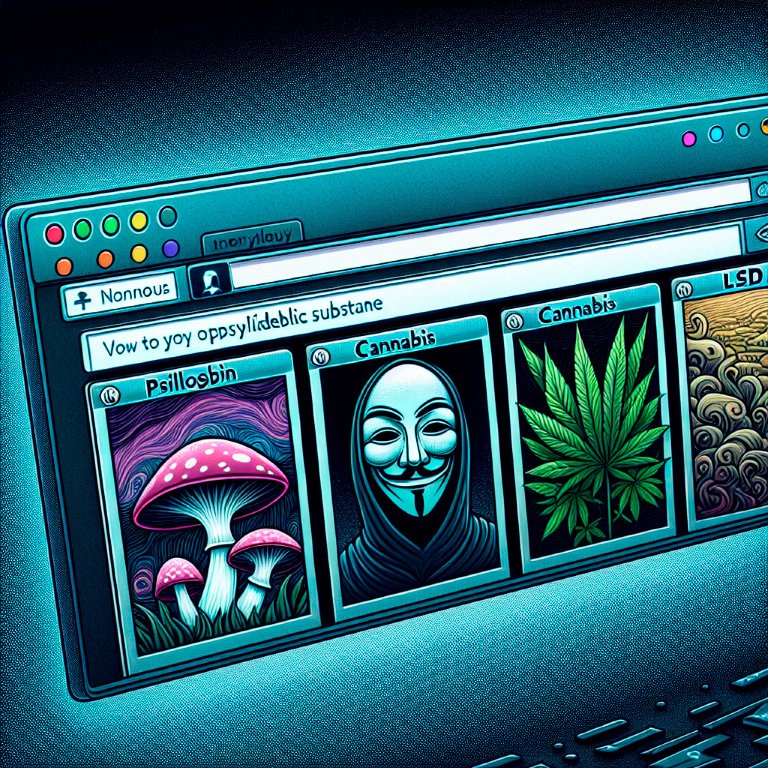
How a Wide Selection on the Darknet Keeps Buyers Coming Back
The platform's catalog directly reflects and drives the economic principles of supply and demand within its ecosystem. A broad product range is not merely a feature but a fundamental operational requirement for a sustainable darknet marketplace. It ensures user retention by providing a one-stop procurement solution, reducing the need to visit multiple, potentially riskier, venues.
The variety available spans several categories:
- Pharmaceutical-grade substances for research
- Botanical and synthetic compounds
- Precursor chemicals for academic study
- Digital goods and security services
This diversity mitigates market volatility. If demand for one category fluctuates, the platform's overall transaction volume remains stable due to activity in others. Sellers are incentivized to list niche products, knowing a large, consolidated buyer base exists. This creates a positive feedback loop: more products attract more users, which in turn attracts more sellers, further expanding the catalog. The result is a robust, self-reinforcing network where consumer choice is the primary metric of success.
A Simple Interface for Easy Darknet Shopping
The user interface of a darknet market is its primary operational tool, directly influencing transaction volume and user retention. A well-designed platform like Nexus reduces cognitive load, allowing buyers to focus on product selection rather than navigation. The design philosophy centers on streamlined procurement, mirroring the efficiency of mainstream e-commerce. This is achieved through a logical category structure, a responsive search function with filters, and a simplified checkout process.
The dashboard consolidates essential functions: wallet balance, order tracking, and communication. This consolidation minimizes page transitions, keeping the user within a secure session. The listing pages present product information consistently, with vendor reputation scores and escrow status displayed prominently. This design ensures that critical decision-making data is immediately visible, facilitating rapid and informed purchases.
Accessibility is maintained through a direct link to the market, often distributed via trusted channels to ensure users avoid phishing sites. The interface's reliability translates to predictable interaction patterns, which builds user confidence and encourages repeat business. The result is a platform where the mechanics of acquisition become nearly invisible, supporting a seamless commercial experience focused on the exchange of goods.